

The crankshaft position sensor is a crucial component in a BMW's engine management system. It monitors the position and rotational speed of the crankshaft, providing vital information to the engine control unit (ECU). This data is used to precisely time the ignition system and fuel injection, ensuring optimal engine performance, fuel efficiency, and emissions control. When this sensor malfunctions, it can lead to a range of issues, from poor engine performance to complete engine failure. As a trusted supplier of crankshafts for BMW, I understand the importance of this sensor and the implications of its replacement. In this blog, I'll delve into the costs associated with replacing the crankshaft position sensor in a BMW, exploring various factors that influence these costs.

Factors Affecting the Cost of Replacement
Sensor Quality and Brand
The cost of the crankshaft position sensor itself can vary significantly depending on its quality and brand. OEM (Original Equipment Manufacturer) sensors are designed and manufactured by the same company that produced the parts originally installed in your BMW. These sensors are typically more expensive due to their high - quality standards and compatibility with your vehicle. However, they offer a high level of reliability and performance, ensuring that your BMW will operate as intended.
On the other hand, aftermarket sensors are produced by third - party manufacturers. They are often more affordable, but the quality can vary widely. Some aftermarket sensors may offer a comparable level of performance to OEM sensors, while others may be of lower quality, leading to potential issues down the line. As a supplier of crankshafts for BMW, I always recommend using high - quality sensors, whether OEM or a reputable aftermarket brand, to avoid future problems.
Labor Costs
Labor costs are another significant factor in the overall cost of replacing the crankshaft position sensor. The complexity of the replacement process can vary depending on the model and year of your BMW. Some models may have the sensor easily accessible, while others may require the removal of several components to reach it.
In general, labor costs can range from a couple of hours' worth of work to a full - day job, depending on the vehicle. Mechanics typically charge an hourly rate, which can vary based on their location, experience, and the reputation of the repair shop. In urban areas or areas with a high cost of living, labor rates are likely to be higher.
Vehicle Model and Year
Different BMW models and years may require different types of crankshaft position sensors. Newer models often have more advanced sensors that are more expensive to produce. Additionally, the design of the engine compartment can make the replacement process more or less difficult. For example, a compact BMW model may have less space to work in, increasing the labor time and cost.
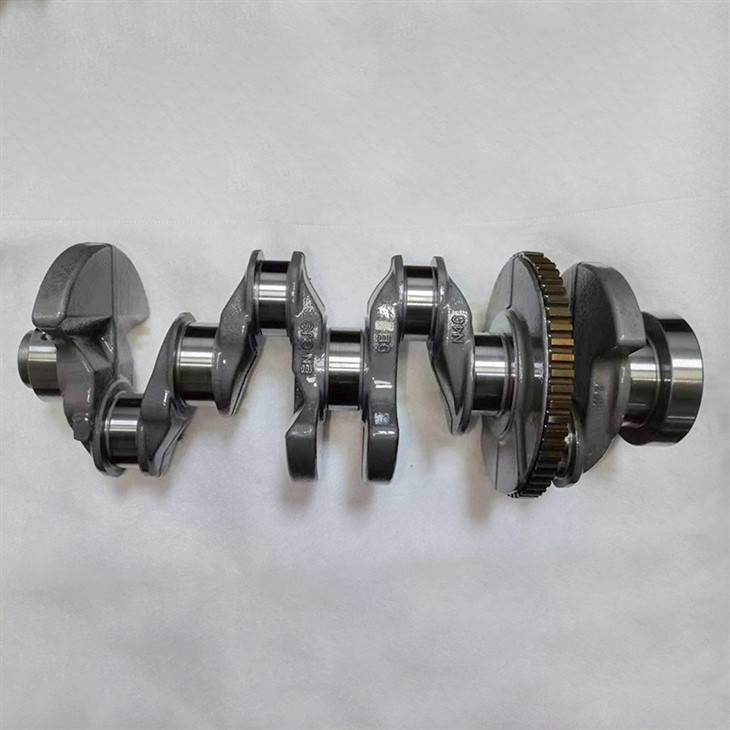
As a supplier of crankshafts for BMW, I've seen firsthand how the specific requirements of each model can impact the cost of replacement. Some of the popular models like the BMW 220i, 328i, and 320i E90 may have different sensor specifications. For those interested in high - quality crankshafts for these models, we offer N20 B20 Crankshaft for BMW 220i 328i 2.0 11217640165 and N46 Crankshaft for BMW 320i E90 2.0 11210390923.
Cost Breakdown
Sensor Cost
The cost of a crankshaft position sensor for a BMW can range from approximately $50 to $200. OEM sensors usually fall on the higher end of this range, while aftermarket sensors can be found for as low as $50. However, it's important to note that the price doesn't always guarantee quality. It's essential to do your research and choose a sensor that is compatible with your BMW and has good reviews.
Labor Cost
Labor costs for replacing the crankshaft position sensor can range from $100 to $500. If the sensor is easily accessible and the replacement can be done quickly, labor costs may be closer to $100. However, if the engine compartment is crowded and the sensor is difficult to reach, labor costs can exceed $500.
Total Cost
Combining the sensor cost and labor cost, the total cost of replacing the crankshaft position sensor in a BMW can range from around $150 to $700. This wide range reflects the various factors mentioned above, such as sensor quality, labor rates, and vehicle model.
DIY vs. Professional Replacement
DIY Replacement
Some BMW owners may consider replacing the crankshaft position sensor themselves to save on labor costs. While this can be a viable option for those with mechanical skills and the right tools, it's important to approach the task with caution. The replacement process requires a good understanding of the engine's components and how they interact. Incorrect installation can lead to further problems, including damage to the sensor or other engine parts.
If you're considering a DIY replacement, make sure you have access to the vehicle's service manual and follow the instructions carefully. You'll also need to have the necessary tools, such as wrenches and sockets. However, if you're unsure about any part of the process, it's best to leave it to a professional.
Professional Replacement
Professional mechanics have the experience and expertise to replace the crankshaft position sensor correctly. They are familiar with the specific requirements of different BMW models and can ensure that the sensor is installed properly. Additionally, many repair shops offer a warranty on their work, giving you peace of mind in case something goes wrong.
When choosing a repair shop, look for one that specializes in BMWs or has a good reputation for quality work. You can also ask for recommendations from other BMW owners or check online reviews.
Impact of a Faulty Crankshaft Position Sensor
A faulty crankshaft position sensor can have a significant impact on your BMW's performance. Some of the common symptoms of a failing sensor include:
- Engine Misfires: The ECU relies on the sensor's data to time the ignition and fuel injection accurately. A faulty sensor can cause the engine to misfire, resulting in a rough idle and poor acceleration.
- Stalling: In some cases, a malfunctioning sensor can cause the engine to stall while driving. This can be a dangerous situation, especially if it occurs at high speeds.
- Poor Fuel Efficiency: Incorrect timing of the fuel injection can lead to wasted fuel, reducing your BMW's fuel efficiency.
- Difficulty Starting: A faulty sensor can make it difficult to start the engine, as the ECU may not be able to determine the correct starting sequence.
As a supplier of crankshafts for BMW, I know that these issues can not only be frustrating but also costly in the long run. Ignoring a faulty crankshaft position sensor can lead to more severe engine damage, which will require more extensive and expensive repairs.
Our Crankshaft Offerings
In addition to understanding the cost of replacing the crankshaft position sensor, I'm proud to offer a wide range of high - quality crankshafts for BMW. Our N20 B20 Crankshaft for BMW 220i 328i 2.0 11217640165 and N46 Crankshaft for BMW 320i E90 2.0 11210390923 are designed to meet the strictest quality standards, ensuring optimal performance and durability. We also offer the N55 B30 Engine Crankshaft OE 11217580483 For BMW X3 X5 X6 3.0 L, which is suitable for larger BMW models.
Contact for Procurement
If you're in the market for a high - quality crankshaft for your BMW or have any questions about the crankshaft position sensor replacement, I encourage you to reach out. As a leading supplier in the industry, I'm committed to providing the best products and services to my customers. Whether you're a repair shop looking to stock up on parts or an individual BMW owner in need of a replacement, I'm here to assist you. Contact me to start a procurement discussion and find the right solution for your needs.
References
- "BMW Service Manuals" - Various editions, providing detailed information on the engine components and repair procedures.
- "Automotive Repair Guides" - Online resources that offer insights into common automotive issues and their solutions.